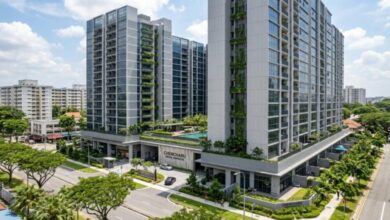


Upgrading from an HDB flat to a private condominium is an important milestone for many Singapore homeowners. As household incomes grow and family requirements change, some owners begin exploring private residential properties that offer different layouts, facilities, and lifestyle opportunities.
However, making the transition requires careful financial planning and a clear understanding of Singapore’s property regulations. Beyond choosing an attractive condominium, homeowners must consider their existing housing loan, CPF usage, sale proceeds, stamp duties, and long-term financial commitments.
In 2026, understanding these factors can help HDB owners approach their property upgrading journey with greater confidence.
1. Why Homeowners Consider Upgrading to a Condominium
There are several reasons why HDB homeowners may consider moving into private residential property.
For some households, upgrading is driven by a desire for additional living space. Growing families may require more bedrooms, while professionals may want dedicated areas for working from home.
Other homeowners may be interested in the lifestyle facilities commonly associated with private condominiums.
These may include:
- Swimming pools and fitness centres.
- Landscaped gardens and recreational areas.
- Function rooms and communal spaces.
- Private residential access arrangements.
- Different unit configurations and layouts.
The decision to upgrade should ultimately reflect genuine household requirements rather than simply the perception that private property represents a higher standard of living.
2. Assess Your Financial Position Before Upgrading
Financial preparation is one of the most important parts of an HDB-to-condominium transition.
Homeowners should first understand the estimated market value of their existing flat and calculate how much they may receive after settling outstanding financial obligations.
Important considerations include:
- Outstanding HDB mortgage balance.
- CPF savings used for the existing property.
- Accrued CPF interest.
- Estimated selling expenses.
- Available cash savings.
- Eligibility for a new housing loan.
- Down payment requirements.
The remaining sale proceeds can influence the budget available for purchasing a private condominium.
Homeowners should also avoid committing to a new property before understanding their financing capacity and the timing of their existing flat sale.
3. Understand the HDB Minimum Occupation Period
The Minimum Occupation Period (MOP) is an important regulatory consideration for HDB homeowners planning to upgrade.
Eligible flat owners generally need to fulfil the applicable MOP before selling their flat on the open market or purchasing a private residential property, subject to the relevant HDB rules.
For many standard HDB flats, the MOP is five years, although certain categories of flats are subject to longer requirements.
Owners should verify their specific eligibility directly with HDB before making plans.
Understanding the MOP can help prevent unnecessary complications when arranging a property sale and subsequent condominium purchase.
4. Exploring Private Condominium Options
Once homeowners understand their financial position and purchasing eligibility, they can begin researching suitable private residential developments.
Location should remain a major priority.
Buyers should consider access to MRT stations, workplaces, schools, shopping centres, healthcare facilities, and recreational spaces.
For example, homeowners exploring private residential opportunities can research Bedok Rise Residences as part of their condominium comparison process.
When assessing a development, buyers should examine its surrounding neighbourhood, available unit configurations, facilities, and overall suitability for their household.
A property should meet practical lifestyle requirements while remaining within a manageable financial budget.
5. Compare Different Developments Before Making a Decision
Singapore offers private residential developments across established and emerging neighbourhoods.
Homeowners should compare several options rather than limiting their search to a single project.
Another development to include in a wider property comparison is North Park Central.
A structured comparison should consider:
- Purchase price and available unit sizes.
- Location and public transportation access.
- Nearby schools and shopping facilities.
- Condominium facilities and maintenance arrangements.
- Unit layouts and usable living space.
- Property tenure and ownership considerations.
- Recent comparable transactions.
Comparing different developments can help upgrading homeowners identify the right balance between lifestyle improvements and affordability.
6. Understand the Additional Costs of Buying Private Property
Moving from an HDB flat to a condominium involves several expenses beyond the purchase price.
These may include:
Buyer’s Stamp Duty (BSD): A property tax payable on qualifying property purchases.
Additional Buyer’s Stamp Duty (ABSD): Depending on the buyer’s profile, residential property ownership, and applicable remission rules, additional stamp duty may apply.
Legal fees: Expenses associated with conveyancing and the completion of the transaction.
Mortgage costs: Monthly repayments and interest expenses.
Maintenance fees: Recurring contributions towards condominium management and shared facilities.
Renovation expenses: Costs associated with adapting the new home to household requirements.
Homeowners should also consider moving expenses, furnishing costs, property taxes, and emergency savings.
Understanding the complete financial commitment can help avoid overextending household finances.
7. Plan the Timing of Your HDB Sale and Condominium Purchase
Transaction timing can significantly influence the upgrading process.
Some homeowners prefer selling their HDB flat before purchasing a condominium to understand their available sale proceeds and reduce financial uncertainty.
Read More: Singapore Executive Condominiums: Understanding the Journey from Land Acquisition to New Homes
Others may consider purchasing first, subject to eligibility, financing arrangements, and the applicable regulations.
Each approach involves different considerations.
Buying before selling may create additional financial commitments and could affect ABSD obligations. Selling first may require temporary accommodation if the new property is not ready.
Homeowners should examine their circumstances carefully and seek professional advice about transaction sequencing, financing, and applicable stamp duty rules.
8. Evaluate Long-Term Lifestyle and Financial Needs
Upgrading should be based on more than immediate preferences.
Families should consider whether the new condominium can accommodate future household changes, including additional family members, changing work arrangements, and evolving lifestyle requirements.
It is equally important to consider long-term financial commitments.
A larger property may offer more space, but it can also involve higher maintenance fees, mortgage payments, and household expenses.
Homeowners should evaluate whether the benefits of upgrading justify the additional financial responsibilities.
9. Common Mistakes to Avoid When Upgrading
A property upgrade can become financially challenging if important considerations are overlooked.
Some common mistakes include:
- Underestimating the total purchasing expenses.
- Ignoring applicable ABSD requirements.
- Failing to check HDB MOP eligibility.
- Overestimating the selling price of an existing flat.
- Taking on a mortgage that places excessive pressure on household finances.
- Choosing a condominium based only on facilities.
- Failing to compare similar residential developments.
- Overlooking the timing of the sale and purchase transactions.
Careful planning and independent financial advice can help homeowners reduce these risks.
Conclusion
Upgrading from an HDB flat to a private condominium can provide new lifestyle opportunities for Singapore homeowners, but it requires careful consideration of financial capacity, property regulations, and long-term household needs.
Understanding MOP requirements, calculating available sale proceeds, assessing stamp duties, and comparing residential developments are all essential steps.
Read More: Understanding New Launch Showflat Visits: Evaluating Site Plans, Stacks, and Floor Plans
Whether moving into a larger family home or exploring private property ownership for the first time, homeowners should prioritise affordability, convenience, and long-term suitability.
With proper preparation and thorough research, the transition from public housing to private residential property can become a more informed and manageable process.